
Anorexia Nervosa
What is Anorexia Nervosa?
Anorexia Nervosa is an eating disorder characterized by an intense fear of gaining weight and a distorted perception of body shape or size.
People with anorexia often severely restrict their food intake, even when their bodies need nourishment.
Common Signs and Symptoms
Eating less and less over time
-
Skipping meals or avoiding certain foods
-
Significant weight loss
-
Obsessive calorie counting
-
Excessive exercise
-
Fear of weight gain
-
Constant concern about body size or shape
-
Feeling cold, tired, or weak
How It Can Affect Daily Life
Anorexia can impact physical health, emotional well-being, relationships, work, and school performance. Over time, it may lead to serious medical complications if left untreated.
When to Seek Help
If thoughts about food, weight, or body image are taking over daily life, professional support can help begin the journey toward recovery.


Bulimia Nervosa
What is Bulimia Nervosa?
Bulimia Nervosa is an eating disorder that involves episodes of eating large amounts of food followed by attempts to compensate for the eating through behaviors such as self-induced vomiting, excessive exercise, fasting, or misuse of laxatives.
Common Signs and Symptoms
Frequent episodes of overeating
-
Feeling out of control during eating episodes
-
Guilt, shame, or distress after eating
-
Secretive eating habits
-
Frequent bathroom visits after meals
-
Excessive exercise to "burn off" calories
-
Fluctuations in weight
How It Can Affect Daily Life
Bulimia can create a cycle of emotional distress and unhealthy coping behaviors, affecting both physical and mental health.
Support can help break the binge-purge cycle and build a healthier relationship with food and self-image.

Binge Eating Disorder
What is Binge Eating Disorder?
Binge Eating Disorder involves recurrent episodes of eating large amounts of food in a short period while feeling unable to stop or control the eating. Unlike bulimia, these episodes are not followed by purging behaviors.
Common Signs and Symptoms
-
Eating unusually large amounts of food
-
Eating rapidly
-
Eating even when not physically hungry
-
Feeling unable to stop eating
-
Eating alone due to embarrassment
-
Feelings of guilt, shame, or sadness after eating
-
Frequent dieting without lasting success
How It Can Affect Daily Life
People with BED often experience emotional distress, low self-esteem, and concerns about their eating patterns.
Recovery is possible with the right support, helping individuals develop healthier coping strategies and eating habits.

ARFID(Avoidant /Restrictive Food Intake Disorder)
What is ARFID?
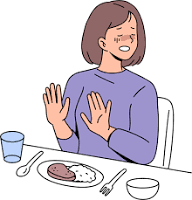
ARFID is an eating disorder where individuals avoid or restrict certain foods, not because of concerns about weight or body shape, but due to factors such as sensory sensitivities, fear of choking or vomiting, or a lack of interest in eating.
Common Signs and Symptoms
Extremely limited range of accepted foods
-
Strong reactions to food textures, smells, or tastes
-
Fear of eating certain foods
-
Lack of interest in food or eating
-
Nutritional deficiencies
-
Difficulty maintaining adequate growth or weight
-
Anxiety around mealtimes
How It Can Affect Daily Life
ARFID can make social situations, family meals, and meeting nutritional needs challenging.
Early support can help expand food variety, improve nutrition, and reduce anxiety around eating.

Other Specified Feeding or Eating Disorder (OSFED)
What is OSFED?
OSFED describes eating disorders that cause significant distress and impact daily life but may not meet the exact criteria for anorexia, bulimia, or binge eating disorder. The struggles are real and deserve support.
Common Signs and Symptoms
-
Restrictive eating patterns
-
Episodes of overeating
-
Preoccupation with food, weight, or body image
-
Emotional distress related to eating
-
Changes in eating habits that interfere with daily life
How It Can Affect Daily Life
OSFED can affect physical health, emotional well-being, relationships, and overall quality of life just as seriously as other eating disorders.
You do not need a specific diagnosis to deserve help. If eating concerns are affecting your life, seeking support is an important step.

Not Sure? Just Exploring?
Concerned About Your Relationship with Food?
You may not know exactly what you're experiencing and that's okay. Many people notice changes in their eating habits, thoughts about food, body image, or mood before they understand what's happening.
You might be:
-
Wdering if your eating habits are normal
-
Struggling with body image concerns
-
Feeling anxious around food -
Using food to cope with emotions -
Concerned about a loved one -
Looking for information and guidance -
Exploring these questions is a positive first step. Learning more can help you better understand your experiences and identify whether additional support may be beneficial.
Remember: You don't need to wait until things feel severe before reaching out for help.